By Terry
December 26, 2025
Water damage is one of the most common and costly problems homeowners and business owners face. From burst pipes to severe storms, water can compromise structural integrity, ruin personal property, and lead to long-term health issues if not addressed properly. Understanding the difference between water damage remediation and restoration is essential for protecting your property, ensuring safety, and minimizing financial loss. While both terms are related, they represent different phases of the recovery process, each with unique techniques, goals, and professional expertise.
This article explores the distinction between remediation and restoration, explains why it matters, identifies common causes of water damage, and outlines practical steps property owners should take when a water emergency occurs.
1. Explain Water Damage Remediation
Water damage remediation is the immediate, short-term response to a water-related incident. Its main goal is to limit further damage and stabilize the property. This phase occurs right after water intrusion and focuses on controlling the situation quickly.
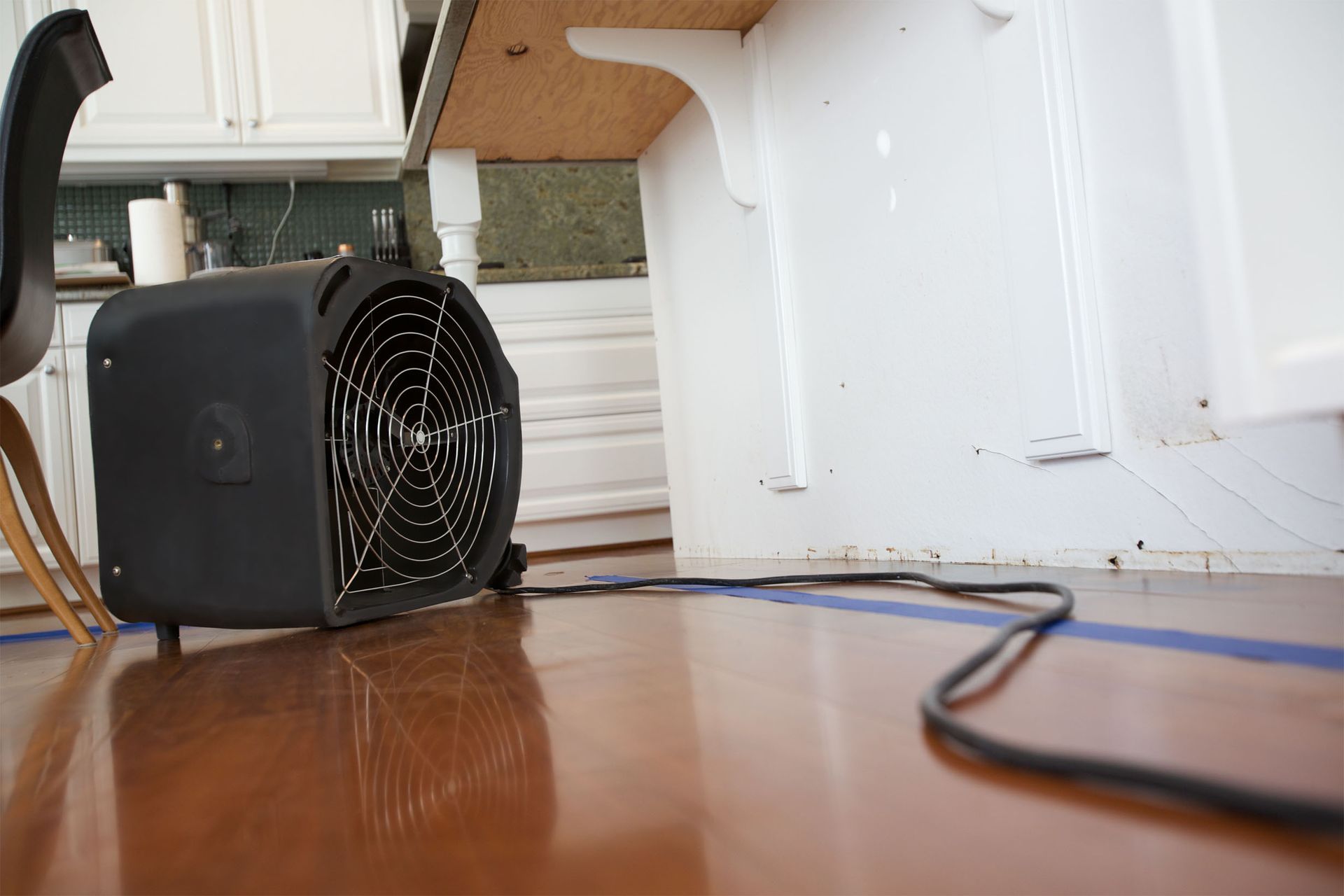
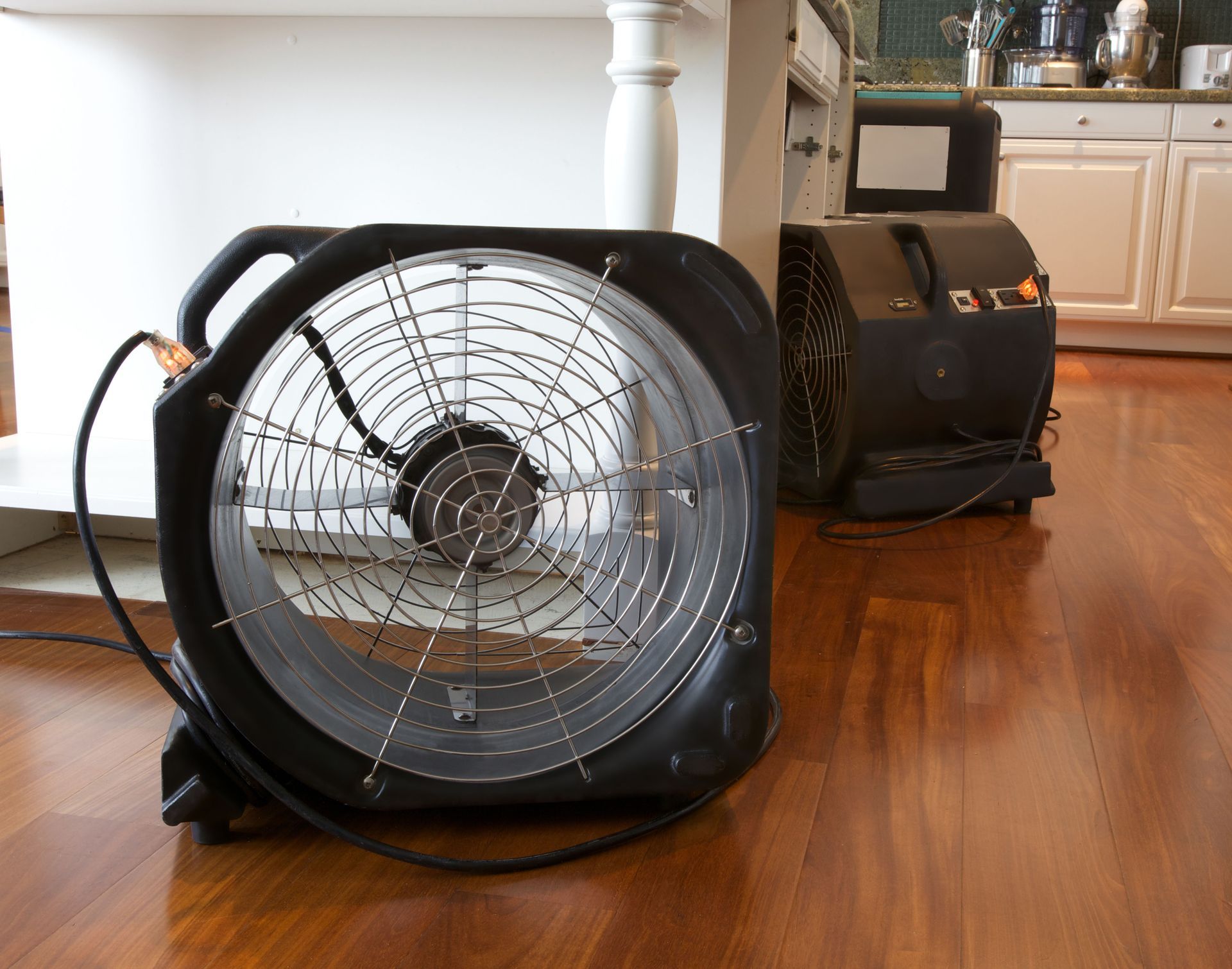
Remediation specialists typically begin by identifying the source of water—whether it is a leaking pipe, flood, roof leak, or appliance malfunction. Once identified, they stop the water flow and begin extracting standing water using industrial pumps and vacuums. Air movers and dehumidifiers are then used to remove remaining moisture from walls, floors, and furniture.
In addition to moisture removal, remediation often includes sanitizing and disinfecting affected areas to prevent mold, bacteria, and other health hazards. Professionals may also treat wood, drywall, or carpeting to limit damage and prepare the surfaces for eventual restoration. Rapid response is critical because water can seep into structural elements, furniture, and personal belongings in a matter of hours, creating long-term damage and costly repairs. Water damage remediation minimizes these risks and provides a foundation for full restoration.
2. Explain Water Damage Restoration
While remediation focuses on controlling and preventing damage, water damage restoration is the process of repairing, rebuilding, and returning the property to its pre-loss condition. Restoration occurs after remediation has stabilized the environment and removed excess water.
Restoration can involve structural repairs such as replacing drywall, flooring, insulation, or cabinetry. Electrical and plumbing systems may need to be inspected and repaired, and cosmetic repairs, such as painting or refinishing surfaces, complete the restoration process. Skilled contractors use restoration techniques to ensure safety, compliance with building codes, and long-term durability.
Unlike remediation, which is urgent and temporary, restoration is a planned and thorough process. Combining both remediation and restoration ensures that the property is not only safe but also fully functional and aesthetically restored. Homeowners who skip proper restoration may encounter lingering problems such as mold growth, weakened structures, or recurring leaks.
3. Describe Why the Distinction Matters
Understanding the distinction between water damage remediation and restoration is important for several reasons:
- Health and Safety: Remediation removes standing water and moisture that can breed mold, bacteria, and structural damage. Restoration ensures that all repairs are completed safely and that the property is habitable.
- Insurance and Claims: Many insurance policies differentiate between immediate mitigation and long-term repairs. Accurate documentation of remediation efforts is often required to support restoration claims. According to Krapftlegal.com, around 29.4% of all claims in the U.S. are due to water damage and freezing, which follows wind and hail claims at 34.3%. This statistic emphasizes how common water-related incidents are and why immediate remediation is critical.
- Cost Management: Quick remediation reduces the overall repair cost by preventing secondary damage. Restoration costs vary depending on the severity and scope of repairs. Separating these processes helps property owners budget and plan effectively.
Recognizing the distinction between these phases helps property owners take the right action at the right time, protecting both their property and their finances. For example, attempting to restore a property before proper remediation can result in unnecessary labor costs and ongoing moisture problems.
4. Identify Common Causes of Water Damage
Understanding the causes of water damage can help homeowners prevent incidents and prepare for emergencies. Some of the most common sources include:
- Plumbing Failures: Burst pipes, leaky faucets, or failing water heaters can release large amounts of water quickly. In older homes, aging pipes are a frequent culprit.
- Severe Weather: Heavy rainfall, hurricanes, and flooding can overwhelm drainage systems and enter homes through windows, doors, or foundations. Low-lying areas are especially vulnerable to storm-related water damage.
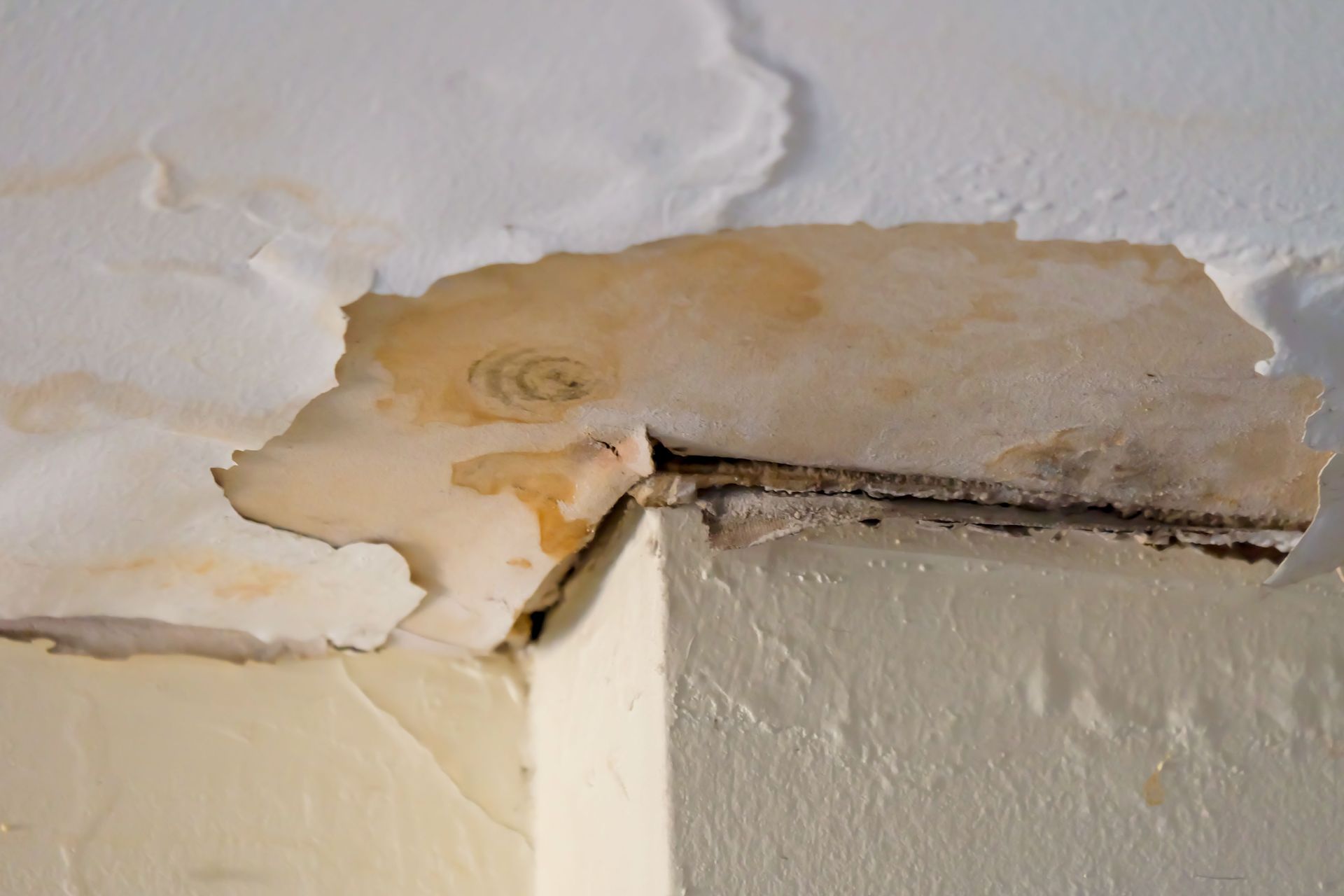
- Roof Leaks: Damaged shingles, flashing, or gutters allow water to penetrate attics, ceilings, and walls. Even minor leaks can cause structural decay over time if not remediated.
- Sewage Backups: Blocked or damaged sewer lines can cause hazardous water intrusion, which requires specialized remediation due to contamination.
- Appliance Malfunctions: Dishwashers, washing machines, and ice makers can flood areas if they fail unexpectedly. Small leaks over time can also create hidden water damage that is difficult to detect.
By knowing the common causes, homeowners can take preventative measures such as regular maintenance, inspections, and installing sump pumps or water alarms.
5. Outline Steps Homeowners Should Take Before Professionals Arrive
Even before professionals arrive for water damage remediation, there are important steps homeowners can take to protect property and ensure safety:
- Prioritize Safety: Turn off electricity and gas in affected areas to prevent injury. Avoid walking through standing water to reduce the risk of electric shock or slips.
- Stop the Water Source: Shut off the main water supply, fix small leaks if possible, or use temporary barriers to contain flooding.
- Document Damage: Take photographs and notes of all affected areas for insurance purposes. Detailed documentation helps support claims and assess the full scope of repairs.
- Move Valuables: Relocate furniture, electronics, and personal items to a safe, dry area to prevent further damage. Protect items that cannot be moved with plastic sheeting.
- Minimize Mold Growth: Open windows, ventilate rooms, or use fans if it is safe to do so. Quick drying helps prevent mold and mildew, which can develop within 24–48 hours.
- Avoid DIY Cleanup for Major Floods: For contaminated water, such as sewage or storm flooding, do not attempt to clean it yourself. Improper handling can pose serious health risks.
These steps complement professional water damage remediation efforts and reduce long-term impact on the property. Acting quickly is crucial for minimizing costs and preserving structural integrity.
6. Explain Long-Term Prevention and Maintenance
Once remediation and restoration are complete, taking steps to prevent future water damage is essential. Preventative measures include:
- Regular Inspections: Check roofs, gutters, plumbing, and appliances periodically to detect problems early.
- Install Backflow Valves: Prevent sewer backups from entering your home.
- Maintain Drainage Systems: Ensure rainwater drains away from foundations to avoid flooding and basement leaks.
- Monitor Indoor Humidity: Use dehumidifiers to maintain humidity at safe levels and reduce mold risk.
- Educate Household Members: Make sure everyone knows how to shut off water and electricity during emergencies.
- Emergency Planning: Keep a list of local remediation and restoration professionals for quick response if water damage occurs.
Incorporating these practices reduces the likelihood of recurring water damage and minimizes repair costs over time. Preventative care is as important as immediate remediation and thorough restoration in protecting property and health.
Understanding the difference between water damage remediation and restoration is essential for homeowners and business owners dealing with flooding, leaks, or other water emergencies. Remediation addresses immediate threats by removing water, drying affected areas, and preventing further damage. Restoration follows, focusing on repairing structural, electrical, and cosmetic damage to return the property to its pre-loss condition.
Being aware of common causes of water damage, taking immediate protective steps, and implementing long-term prevention measures ensures a comprehensive approach to recovery. For fast, reliable, and professional water damage remediation and restoration services, trust Fast Restoration to handle your property with expertise and care.